

How to Cook Series
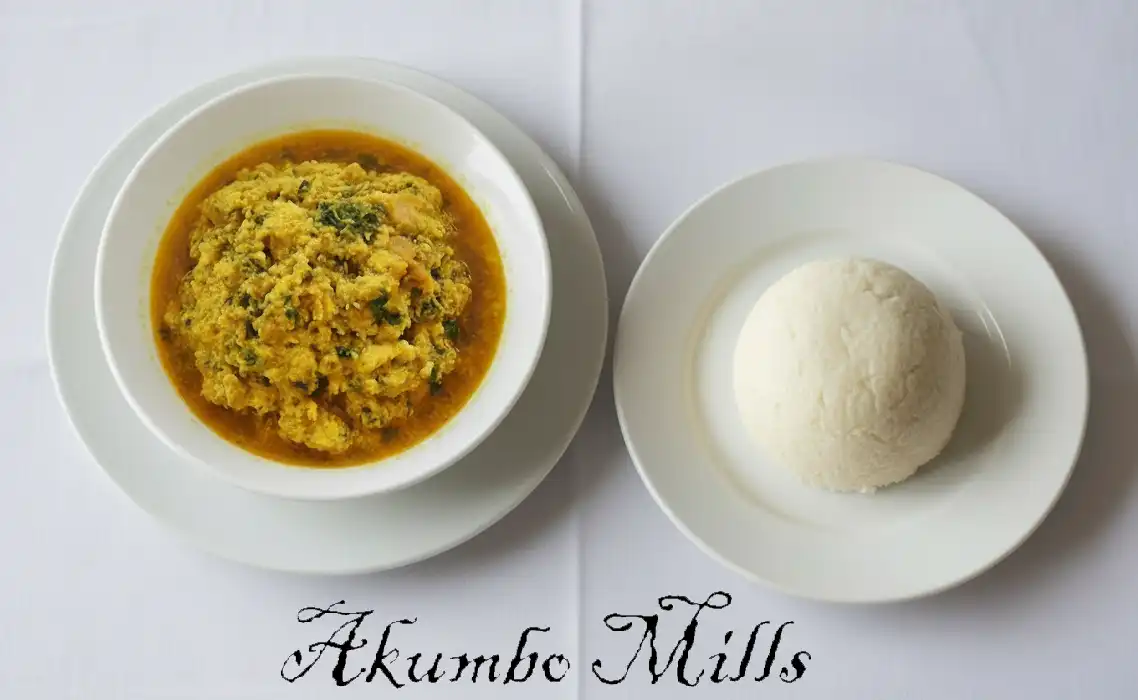
How to prepare Maize Swallow (Tuwo Masara) and Egusi Soup
Feb
Welcome back to my kitchen, food enthusiasts! Today, we’re embarking on a culinary journey that represents a beautiful and delicious marriage of Nigerian cultures: Maize Swallow (Tuwo Masara) and Egusi Soup.
As a chef, I can tell you that this pairing is a testament to the diversity of Nigerian cuisine. Tuwo Masara, a soft, pliable swallow made from maize (corn) flour, is a staple of Northern Nigeria, particularly among the Hausa people. It is known for its mild flavor and light texture, making it the perfect canvas for a rich, complex soup. Egusi Soup, on the other hand, is a celebrated delicacy from the Southern and Western regions, where it is a cornerstone of Yoruba and Igbo cuisine. It is renowned for its deep, nutty flavor derived from melon seeds and its rich, savory base.
The contrast between the mild, slightly sweet taste of Tuwo Masara and the robust, nutty, and savory profile of Egusi Soup creates a truly balanced and satisfying meal. This combination showcases how diverse regions of Nigeria can come together in a single, harmonious dish.
The challenge when preparing this meal lies in mastering two very different techniques. For Tuwo Masara, the goal is to achieve a perfectly smooth, lump-free dough. For Egusi Soup, the challenge is to manage the consistency of the Egusi seeds, build a deep umami base, and ensure the soup doesn’t become watery. The common pitfalls are many: gritty Tuwo from improperly cooked maize flour, or a watery Egusi soup that lacks the characteristic thickness and flavor depth.
This guide will provide a detailed, chef-level tutorial on how to master both components, ensuring you achieve perfectly smooth Tuwo Masara and a rich, savory Egusi Soup every time. We’ll explore the secrets to selecting the right ingredients, balancing the flavors, and building a deep flavor base for the soup.

—
Part 1: The Foundation – Mastering Maize Swallow (Tuwo Masara) (The Texture Secret)
Tuwo Masara is a swallow made from maize flour (cornmeal). It’s a staple in Northern Nigerian cuisine, often served with various soups. The key to a perfect Tuwo Masara is achieving a smooth, lump-free texture. The process is simple, but precision in water temperature and mixing technique is essential.
Understanding Maize Flour Selection and Preparation
Variety Matters: For Tuwo Masara, the best choice is typically fine white cornmeal or maize flour, you can get this fine milled Maize Flour from our online shop. This variety has a higher starch content, which makes it easier to break down into a smooth, pliable dough. Avoid using coarse cornmeal, as it tends to remain separate during cooking and will result in a grainy texture.
The Slurry Method: The secret to a lump-free Tuwo Masara lies in creating a slurry first. This method prevents the flour from clumping when introduced to hot water.
Chef-Level Technique for Tuwo Masara Preparation
Step 1: The Slurry Method (Lump Prevention Secret)
Preparation: In a large bowl, mix about 1/2 cup of maize flour with 1 cup of cold water. Stir until a smooth, thin paste (slurry) forms. Chef’s Tip: This step is crucial for preventing lumps. The cold water allows the starch granules to separate before being introduced to hot water, ensuring a smooth final product.
Step 2: Water Temperature Control (The Smoothness Secret)
1. Boiling Water: Place a pot of water on the stove and bring it to a rolling boil. The amount of water needed depends on the amount of flour, typically a ratio of 2:1 (two parts water to one part flour), but this can vary depending on the specific flour.
2. Reducing Heat: Once boiling, reduce the heat to low. Chef’s Tip: This step is crucial. If you add the flour to vigorously boiling water, it will clump immediately. The low heat allows you to control the mixing process.
Step 3: Adding Flour and Mixing (The Turning Technique)
1. Adding Slurry: Pour the cold water slurry into the pot of hot water. Stir continuously with a wooden spoon (*omori*). The mixture will thicken almost immediately.
2. Adding Dry Flour: Gradually add the remaining dry maize flour to the pot while stirring continuously. Chef’s Tip: Add the flour in small increments. The ratio of water to flour is typically 2:1 (two parts water to one part flour), but this can vary depending on the specific flour.
3. Vigorous Stirring: Stir vigorously in a circular motion, ensuring all the flour is incorporated into the water. This process is often called “turning” Tuwo Masara. Chef’s Tip: This requires significant strength and continuous motion to break down any lumps as they form.
Step 4: Cooking and Kneading (The Consistency Secret)
1. Adding Water: Once all the flour is incorporated and the mixture forms a thick dough, add a small amount of water (about 1/4 cup) to the top of the dough. Cover the pot and allow it to steam for 3-5 minutes on low heat.
2. Kneading: After steaming, remove the cover and vigorously “turn” or knead the Tuwo Masara again with the wooden spoon. Chef’s Tip: This second round of kneading helps to fully cook the flour and ensures a smooth, elastic consistency. The Tuwo Masara should be pliable and easy to mold.
Step 5: Forming the Swallow
Serving: Scoop the hot Tuwo Masara onto a plate or wrap it in plastic wrap. Form it into a smooth ball. Serve immediately with the soup.

—
Part 2: The Main Event – Mastering Egusi Soup (The Flavor Secret)
Egusi soup is a rich, savory soup made from Egusi seeds and a blend of fresh aromatics and vegetables. The key to success here is to build a deep flavor base before adding the eggs, ensuring the sauce is creamy and cohesive rather than just scrambled eggs.
Understanding Egusi Soup Ingredients and Flavor Base
Egusi Seeds: The primary ingredient. The goal is to create a soup, not just scrambled eggs.
Aromatics: The traditional flavor base includes onions, tomatoes, and scotch bonnet peppers.
Vegetables: Green bell peppers and carrots add color, texture, and nutritional value.
Key Ingredients for Egusi Soup
Eggs: 4-6 large eggs.
Fat: 1/4 cup palm oil.
Aromatics: 1 large onion (diced), 1-2 scotch bonnet peppers (blended or finely diced).
Vegetables: 1 large tomato (diced), 1 green bell pepper (diced), 1 small carrot (diced).
Seasoning: 1-2 seasoning cubes (Maggi/Knorr), salt to taste, 1/2 teaspoon dried thyme (optional).
Chef-Level Technique for Soup Preparation
Step 1: Building the Flavor Base (The Sauté Secret)**
1. Heating Oil: Heat the palm oil in a separate pot or frying pan over medium heat. Add the diced onion and sauté until translucent and fragrant. Add the diced scotch bonnet peppers, stirring for another minute until fragrant.
2. Frying Tomatoes: Add the diced tomatoes to the pot. Stir continuously and fry for 5-7 minutes. Chef’s Tip: This step is crucial for removing the raw, metallic taste of the tomatoes and creating the sauce’s body. The tomatoes should break down and reduce slightly.
Step 2: Adding Vegetables and Seasoning (The Texture Secret)**
1. Adding Vegetables: Add the diced green bell pepper and carrot to the pot. Stir gently to combine. Allow to cook for 3-5 minutes, or until the vegetables are tender-crisp. Chef’s Tip: Do not overcook the vegetables. They should retain some crunch to provide texture contrast to the creamy eggs.
2. Seasoning: Add the seasoning cubes, salt, and thyme (if using) to the pot. Stir well to combine all the flavors.
Step 3: Incorporating the Eggs (The Creaminess Secret)
1. Preparing Eggs: In a separate bowl, whisk the eggs lightly with a pinch of salt and pepper. Chef’s Tip: Do not over-whisk the eggs, as this can make them tough.
2. Adding Eggs: Pour the whisked eggs over the vegetable mixture in the pot. Reduce the heat to low. Chef’s Tip: This is the most critical step. Do not stir immediately. Allow the eggs to set around the edges (about 1-2 minutes).
3. Folding: Gently fold the eggs into the sauce using a spatula or wooden spoon. Chef’s Tip: The goal is to create large, soft curds of egg mixed with the vegetables, not small, dry scrambled pieces. The sauce should be creamy and cohesive.

Chef’s Notes and Advanced Tips:
Troubleshooting Lumpy Swallow: If your Tuwo Masara turns out lumpy, it means you either added the flour too quickly or did not stir vigorously enough. Next time, use the slurry method and ensure continuous stirring.
Troubleshooting Watery Soup: If your Egusi Soup is watery, it means you either added too much liquid during simmering or did not cook down the tomatoes thoroughly. Next time, ensure the tomatoes are reduced before adding the eggs.
Troubleshooting Bland Flavor: If your Egusi Soup tastes bland, it means you either did not use enough seasoning or did not fry the aromatics long enough. Next time, ensure you fry the aromatics until fragrant and season generously.
Serving Suggestions: Serve the hot Tuwo Masara with a generous portion of the Egusi Soup.
Enjoy this truly authentic and balanced Nigerian meal. Until next time, keep cooking with passion!
